We Asked Pro Makeup Artists to Roast Beauty TikTok. They Did Not Hold Back.

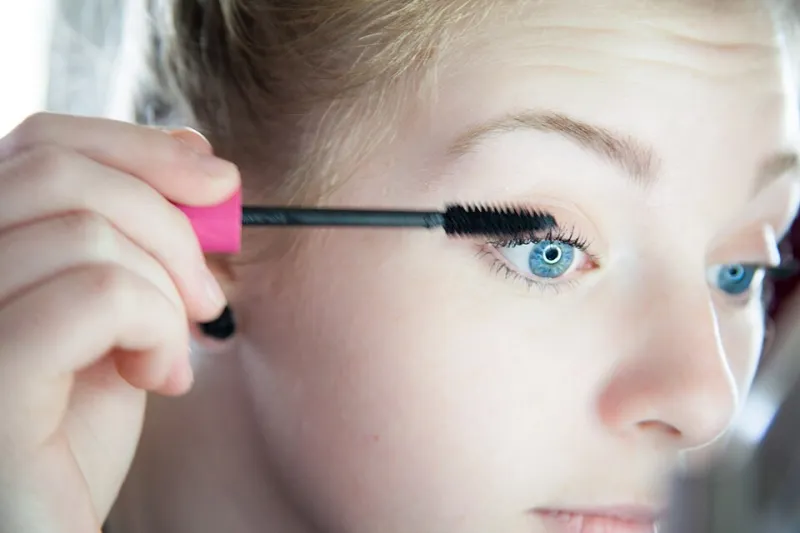
Photo by Photo by Cord Allman on Unsplash on Unsplash
If you've spent any meaningful time on beauty TikTok, you've absorbed a truly staggering amount of information. You've learned seventeen contouring techniques. You've been told your moisturizer is wrong, your SPF is wrong, and your entire skincare routine is operating in the wrong order. You've watched someone with 2.4 million followers apply blush to a part of their face that has never historically been associated with blushing.
But here's a question nobody on your FYP is asking: what do the people who actually do makeup for a living think about all of this?
We found out. We spoke to five working makeup artists — film, editorial, bridal, and commercial — and promised them anonymity in exchange for honesty. What followed was approximately three hours of candid, occasionally profane, consistently illuminating conversation about the gap between what gets clicks and what actually works on real faces.
They did not hold back. We are not going to hold back either.
"Contouring Has Been Completely Unhinged for Two Years"
Let's start with the topic that generated the most passionate responses, which is saying something given how opinionated this group was about everything.
"The contouring stuff has gotten so extreme," says one artist who works primarily in commercial advertising. "I'm watching tutorials where someone is drawing a shadow that would only make sense if you were lit from directly above in a studio. They're not going outside. They're not going to a restaurant. They're filming a video of themselves contouring."
The core issue, multiple artists explained, is that contouring was developed as a film and stage technique specifically because cameras and stage lighting flatten features. Contouring compensates for that flattening. In natural light, walking around your actual life, the same technique can read as muddy stripes rather than sculpted cheekbones.
"Real contouring is so subtle you can barely see it in the mirror," says a bridal artist with fifteen years of experience. "If you can clearly see your own contour in your bathroom mirror, it's going to look very intense in person. I've had brides come to me after doing their own makeup inspired by TikTok and I have to have a very gentle conversation."
The consensus: contour exists, contour works, but the influencer version is calibrated for a camera six inches from your face, not for your friend's birthday dinner.
The Filter Problem Nobody Wants to Talk About
This was the topic that made everyone visibly uncomfortable — not because they disagreed, but because they felt bad about the broader implications.
"The skin texture thing is genuinely making me worried about people," says one editorial artist who shoots for major magazines. "I'm seeing clients who want their skin to look like it does in filtered photos. And I have to explain that that's not a makeup finish. That's a software finish. I cannot make your pores disappear with product. No one can."
Several artists noted a significant uptick in clients bringing reference photos that are — often unknowingly — heavily filtered, then expressing frustration when the makeup result doesn't match. The disconnect isn't about skill. It's about the fundamental difference between pixels and skin.
"Skin has texture. Skin has pores. That is what skin is," says a film artist matter-of-factly. "The goal of good makeup is never to make someone look like a filter. It's to make them look like the best version of themselves. Those are very different projects."
One artist offered a practical test: "If you see a close-up beauty photo and there is absolutely no texture anywhere on the skin — not even on the nose — it's been smoothed in post. That's just true. Real skin, even the most beautiful skin, has texture under a macro lens."
"The 10-Step Skin Prep Routine Is Mostly Theater"
Skin prep — the practice of layering multiple skincare products before applying any makeup — has become a cornerstone of beauty content. Primers, serums, face mists, slugging layers, SPF, more mist. The tutorials can run to eight or nine products before a drop of foundation appears.
The artists we spoke to were... skeptical.
"There are like two things you actually need before makeup," says the commercial artist. "Moisturizer if you're dry. SPF. That's the list. Everything else is content."
A more measured take from the editorial artist: "Some prep matters. A good moisturizer helps foundation sit better on dry skin. But I've seen tutorials where someone is applying five layers of skincare and then wondering why their makeup is sliding off by noon. At some point you've just created a slip-and-slide situation on your face."
The bridal artist added: "I've done thousands of faces. The skin that holds makeup best is usually clean, well-moisturized skin. Not skin that has been through an eleven-step process. Simplicity works."
The Techniques That Actually Deserve the Hype
In the interest of fairness — and because these artists are professionals who believe in giving credit where it's due — we asked what beauty content has gotten right.
The answers were more generous than expected.
"Blush placement has genuinely gotten more interesting and I'm here for it," admits the film artist. "The high blush trend, putting it closer to the temples and eyes — that's actually based on how blood rises to the face. It looks natural. I use that technique on set."
"People are talking about ingredients more, which is good," says the editorial artist. "Even if the conversations are sometimes chaotic, the general idea that you should know what's in your products is positive."
And nearly every artist mentioned one trend they were genuinely enthusiastic about: the move away from heavy, matte, full-coverage everything. "The 'your skin but better' aesthetic is actually correct," says the bridal artist. "That's what we've been trying to achieve professionally for years. It just took TikTok to make people want it."
What These Artists Actually Want You to Know
At the end of every conversation, we asked the same question: if you could tell the average person one thing about beauty advice online, what would it be?
The answers clustered around a theme.
"The person making the tutorial is not you," says the commercial artist. "Their face shape, their skin type, their lighting, their camera — none of it is yours. Take what works and leave the rest. You're allowed to do that."
"Trends are not prescriptions," says the editorial artist. "A trend means 'a lot of people are doing this.' It does not mean 'you should do this' or 'this will work on you.' Those are completely different statements."
And perhaps most simply, from the bridal artist: "Makeup is supposed to be fun. If a tutorial makes you feel bad about your face, close the app. That's not what this is for."
BeautyFool would like to formally second that motion.
All artists were interviewed separately and granted anonymity to speak candidly. Quotes have been lightly edited for clarity and, in two cases, to remove words that would require an explicit content warning.