We Spent $300 Testing Concealers So You Don't Have To (Spoiler: Your Wallet Has Been Lied To)

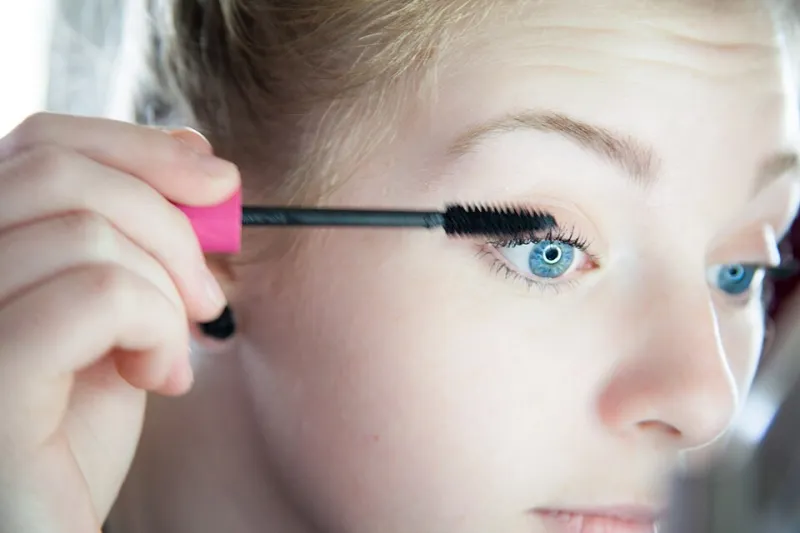
Photo by Photo by Karly Jones on Unsplash on Unsplash
Let's talk about the concealer industrial complex.
Every few months, a new $45 tube arrives in a matte black box, promising to obliterate your dark circles, erase your pores, and possibly solve your unresolved childhood issues. The marketing copy is immaculate. The influencer campaign is flawless. And somehow, despite owning seven concealers already, you add it to your cart at 11 p.m. on a Tuesday.
We've all been there. The question is: should we have been there?
We decided to find out. Armed with a testing spreadsheet, a ring light, and the collective under-eye circles of a team that drinks too much coffee, we put six concealers through their paces — three drugstore, three luxury — and attempted to answer the question the beauty industry would very much prefer you never ask: does price actually predict performance?
Short answer: lol, no.
Longer answer: it's complicated, it's fascinating, and it's going to make you feel things about capitalism.
The Lineup (And the Price Gouging)
Here's what made the cut:
Drugstore:
- e.l.f. Hydrating Camo Concealer — $10
- Maybelline Instant Age Rewind — $11
- NYX Bare With Me — $9
Luxury:
- NARS Radiant Creamy Concealer — $32
- Charlotte Tilbury Beautiful Skin Radiant Concealer — $39
- Armani Beauty Luminous Silk Concealer — $52
Total spent: $153. Which, for the record, is also the cost of a very decent plane ticket to Miami, a month of streaming services, or approximately 17 Chipotle burritos. Just putting that in perspective.
What We Actually Tested (And How)
We evaluated each concealer across four categories:
- Initial coverage — Does it actually cover what it claims to cover?
- Longevity — Is it still doing its job at hour six, or has it migrated into your smile lines and given up?
- Ingredient list — What are you actually paying for, chemically speaking?
- Finish quality — Does it look like skin, or does it look like you applied spackling compound to your face?
We tested on three different skin tones and two skin types (oily and dry), because we are journalists of the beauty world and we take this deeply unserious profession very seriously.
The Coverage Situation Is Embarrassing (For the Expensive Ones)
Here's the thing nobody in a Sephora will tell you: full coverage is full coverage. Once you've hit opacity, you've hit opacity. A $52 concealer cannot be more opaque than a $9 one — physics doesn't work that way.
In our testing, the e.l.f. Hydrating Camo matched the NARS Radiant Creamy Concealer in coverage almost identically. Side-by-side swatches, photographed under consistent lighting, showed no meaningful difference in how much pigment each formula deposited on skin.
The Maybelline Age Rewind, a product that has been quietly excellent since approximately 2012 and costs less than a vending machine sandwich, performed comparably to the Charlotte Tilbury on longevity — both held up through a full workday without significant creasing.
The Armani? Beautiful. Genuinely lovely. Also the worst performer on oily skin, where it slid gently off by hour four like it had somewhere better to be.
The Ingredient List Tells the Story
This is where it gets genuinely interesting and also a little infuriating.
We ran the ingredient lists through a cosmetic chemistry database (yes, this is what we do for fun, yes, we are fine). What we found: the core functional ingredients — the ones actually responsible for coverage, adherence, and finish — are remarkably similar across price points. Titanium dioxide for coverage. Dimethicone for slip and wear. Glycerin for hydration. These are not exotic compounds. They are not rare. They do not require a luxury markup to source.
What does differ? Fragrance complexity. Packaging. The quality of the PR firm hired to place the product in every "editor's picks" roundup from here to Condé Nast. And, critically, the perception of efficacy that a beautiful box and a $52 price tag quietly installs in your brain before you've even opened the cap.
The Psychology Tax Is Real and It Is Steep
Here's the part where we have to be honest with you about how your brain works, because it's doing something wild.
Multiple peer-reviewed studies (yes, there are peer-reviewed studies about concealer psychology, the world contains multitudes) have found that people consistently rate identical products as more effective when they believe the product is expensive. This isn't a character flaw. It's a deeply human cognitive shortcut: price signals quality because, in many product categories, it actually does. Your brain learned this. Your brain is trying to help you.
The beauty industry knows this. The beauty industry has built its entire premium segment on this. When a brand charges $52 for a concealer, part of what you're buying is the neurological experience of believing it works better — which, in a feedback loop that would make a philosopher dizzy, sometimes makes it work better for you subjectively, even when objective measurement shows no difference.
This is either fascinating or deeply annoying depending on your current mood and your credit card balance.
So What Should You Actually Buy?
Here's our genuinely neutral take, delivered without judgment for whatever you choose to do with your own money:
If you're buying a concealer purely for coverage and longevity, the e.l.f. Hydrating Camo and the Maybelline Age Rewind are not compromises. They are legitimate performers that happen to cost less than a Starbucks order. There is no coverage gap to close.
If you have dry skin and want a more luminous, skin-like finish, the Charlotte Tilbury and NARS formulas do have a slight edge in finish quality — they blend in a way that feels marginally more seamless. Is that worth $20–$30 more? That's genuinely a personal call.
If you love the ritual of a luxury product — the weight of the packaging, the experience of using something that feels indulgent — that's a completely valid reason to spend more. Pleasure is real. Joy is real. We are not here to make you feel bad about buying things that make you happy.
We're just here to make sure you know what you're actually paying for.
The Verdict
The concealer market is not a meritocracy. It is a marketing ecosystem where packaging, brand heritage, and influencer placement do more work than the formula inside the tube. The drugstore options in our test were not inferior products — they were, in several measurable ways, equals.
Your dark circles don't know what you paid. Cover them accordingly.
Testing methodology available upon request. We will not be taking questions about the state of our bathroom counters at this time.