Every Mascara Wand Is Lying to You and We Have the Receipts
Let's set the scene. You're standing in the mascara aisle at your local drugstore, or maybe you've been seduced into a Sephora by the promise of free samples and a mild existential adventure. Either way, you're staring down roughly forty-seven tubes of mascara, each one promising something slightly different, each one insisting — with the breathless confidence of a late-night infomercial — that this wand, this formula, this proprietary brush technology will be the one to finally fix your lashes.
Reader, they are all the same.
Okay, not exactly the same. But close enough that the differences barely survive contact with your actual face. We spent three weeks, nine mascaras, and one very patient photographer testing the claims of the mascara industrial complex, and what we found was equal parts hilarious and maddening.
The Vocabulary of Vague Promises
Before we get into the tubes themselves, let's talk about the language. Mascara marketing runs on a very specific lexicon — a rotating cast of buzzwords that sound technical, feel aspirational, and mean almost nothing in any legally binding sense.
Volumizing is perhaps the most egregious offender. Every mascara is volumizing. A Q-tip dragged through black eyeshadow is volumizing. The word simply means the product will make your lashes appear fuller than they do bare — which is true of literally every mascara ever manufactured since 1917. Congratulations, you've discovered the floor.
Lengthening is volumizing's sneaky cousin. It implies your lashes will grow, or at least appear to. What it actually means is that the formula coats each lash from root to tip rather than just glopping onto the middle section. Again: this is what mascara does. This is the whole job.
Separating is where things get genuinely philosophical. The claim here is that the brush will define each individual lash, preventing clumping. Which raises the question: if your mascara is clumping badly enough to require a 'separating' formula as a solution, isn't that a problem the mascara itself created? We're being sold the cure for a disease the product invented.
Fiber-infused is the one that really sends us. Yes, some mascaras contain tiny synthetic fibers meant to physically adhere to lashes and extend them. This is real technology and it does work — for about forty minutes, until the fibers migrate south and you look like you've been standing near a campfire. Ask anyone who's used a fiber mascara in high humidity. Ask them about their afternoon.
The Price Myth, Dismantled
Here's where we get into the numbers, because numbers are where the mascara industry would really prefer you not to look.
We tested a $9.99 drugstore classic, a $14 pharmacy-brand upgrade, a $28 mid-range department store option, a $42 'prestige' formula, and a $68 luxury mascara that came in packaging so sleek it felt like a crime to open it. We applied two coats to each eye under identical lighting, photographed the results, and then — crucially — sent the photos to three people who had no idea what they were looking at.
Nobody correctly identified which eye had the $68 mascara. One person thought the $9.99 drugstore option looked the most dramatic. Another picked the $28 mid-range as the 'most natural and wearable.' The $68 tube was identified as a luxury product by exactly zero out of three testers.
Now, to be fair: formula matters for wear time, for flaking, for how a mascara behaves in heat and humidity. A $68 mascara might behave better on a swampy August afternoon in Houston than its $9.99 counterpart. Might. We're not saying price is completely irrelevant. We're saying the lash result — the thing every single piece of marketing is selling you — is not meaningfully different across price points in the ways the brands claim.
The Wand Conspiracy
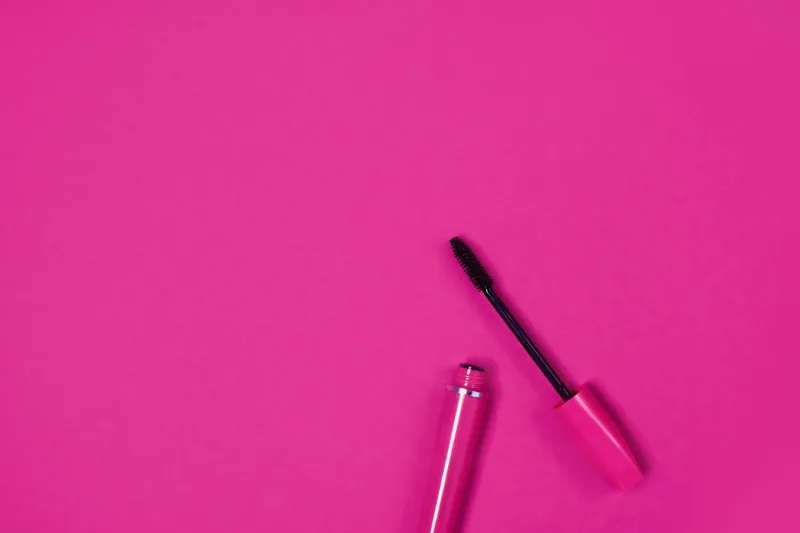
If you want to understand why mascaras feel different even when the formulas are similar, look at the brush. The wand is doing a lot of heavy lifting in this industry, and frankly, it deserves its own union.
Spiky plastic wands separate. Dense rubber bristles volumize. Long-bristled wands reach corner lashes. Curved wands lift. Tiny precision wands work with short lashes. These are real, observable differences — and yet the wand shape is rarely what the marketing leads with. Instead, brands bury the wand information in small print while the front of the tube screams LASH PARADISE or whatever they've decided is this season's aspirational concept.
Here's a wild idea: if you find a wand shape you love, you could in theory buy a mascara purely based on its brush design and ignore everything else on the packaging. The formula inside is frequently less important than the applicator outside. We know. We're as unsettled by this as you are.
The Cult Favorite Problem
Let's talk about the mascara cult favorites — the ones that get passed around in Reddit threads and TikTok comment sections like sacred texts. The ones that people say they will never, ever switch from, that they stockpile before international travel, that they mourn when discontinued as though a family member has passed.
We tested two of the most-discussed cult favorites against their direct drugstore dupes, formulas that beauty chemists on the internet have long suggested share nearly identical ingredients lists. The results? The cult favorites performed marginally better in wear time. Marginally. We're talking the difference between mascara that starts to flake at hour nine versus hour eleven. For most humans, who are presumably not wearing mascara for eleven consecutive hours, this distinction is academic.
And yet the cult favorite costs three times as much. And yet people feel genuinely attached to it. And yet when we suggested in our office Slack that the dupe was comparable, someone responded with a string of emojis that conveyed genuine offense.
This is the mascara industry's greatest achievement: not the formula, not the brush, not the packaging. It's the feeling. The sense that your mascara is different, special, chosen. That you discovered something. That the $42 tube in your bag is a personality trait.
It is not a personality trait. It is pigmented polymer suspended in wax.
So What Do You Actually Do With This Information?
Here's our genuinely useful takeaway from three weeks of staring at lashes through a macro lens: stop reading the front of the tube entirely. Ignore the words. They are fiction.
Instead, ask these questions:
- What wand shape works for my eye shape and lash length?
- Do I need waterproof, or am I paying for waterproof performance I'll never actually use?
- How long do I actually wear mascara in a day, and does a premium formula's wear time claim matter for my real life?
- Am I buying this because I need it, or because a very attractive person on Instagram was paid to hold it?
Answer those questions honestly and you'll spend less, look exactly the same, and have enough left over for something that genuinely improves your life. Like lunch. Lunch is great. Lunch never claims to be volumizing.