Six Months, Four Fillers, and a Drawer Full of Regret: The Beauty Subscription Box Racket, Fully Exposed
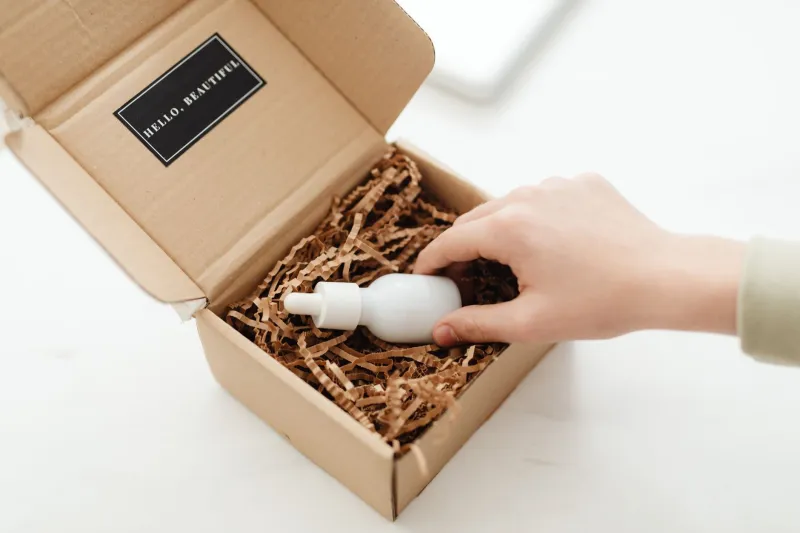
Somewhere between the third travel-sized dry shampoo and the fourth "deluxe sample" of a serum that retails for $94 but apparently costs forty cents to manufacture, we had a revelation. The beauty subscription box is not a gift you give yourself. It is a hostage situation you pay to enter, every single month, because canceling feels like admitting defeat.
We signed up. We tracked everything. We did the math that the brands absolutely do not want you to do. Here is what we found.
The Setup: What They Promise vs. What Arrives
Every subscription box sells the same dream. Five to seven "curated" products, tailored to your beauty profile, delivered in a cute little package that makes a Tuesday feel like a birthday. The pitch is irresistible: discover new brands, treat yourself, save money compared to buying full-size. The websites show glossy full-size serums and lipsticks that look like they belong in a Sephora display case.
What actually arrives is a different story. We subscribed to six services — Ipsy, Birchbox, BoxyCharm, FabFitFun (beauty add-on tier), Allure Beauty Box, and a boutique indie option we will call "Curated Chaos" — and tracked every single item over six months. We logged retail value, actual size, brand recognition, and, most importantly, whether we would ever voluntarily put the product on our face.
The results were, to use a technical term, damning.
The Filler Formula
Here is the move, and once you see it, you cannot unsee it. Every box contains what we are officially calling the Filler Formula: one hero product that justifies the entire subscription cost, two "discovery" items from brands you have never heard of and will never seek out again, and two to three travel sizes or deluxe samples that are technically products but functionally are just packaging.
Across six months of data, roughly 62% of items we received were either travel-sized, sample-sized, or full-size products from brands that had clearly paid for placement rather than earned it. The hero product — the one legitimately exciting thing — showed up maybe once every two months per service. That is a hit rate of approximately 17%, which is also, coincidentally, the percentage of a subscription box that will spark any joy whatsoever.
FabFitFun deserves a special mention here because their math is particularly creative. The box advertises "over $200 in value," which is technically true if you calculate every item at full retail price, include the tote bag as a $40 value, and count the packet of hair ties as a $12 value because that is apparently what hair ties cost now in this economy.
The Psychology of the Monthly Surprise
Subscription boxes are not really selling you products. They are selling you the experience of receiving a gift, and that is a completely different transaction with completely different rules.
The anticipation is real. The unboxing ritual is real. The brief dopamine hit when you pull tissue paper aside to reveal something shiny — also real. This is why the industry has thrived despite the obvious math problem at its center. You are not evaluating the contents the way you would evaluate a product you deliberately chose and purchased. You are unwrapping a present, and presents get graded on a curve.
This is also why canceling feels so psychologically loaded. Canceling means admitting that the gift you have been giving yourself is actually a mildly disappointing monthly bill. Nobody wants to confront that. The brands know this. The cancellation process for three of the six services we tested required navigating at least four separate "are you sure?" screens, one of which offered us a discounted month as a retention play. Two services buried the cancellation option so deep in account settings that we had to Google how to find it. One — and we are not naming names but it rhymes with Birchbox — sent a guilt-laden email within six hours of cancellation that used the phrase "we'll miss you" twice and included a photo of a sad-looking product sitting alone on a marble countertop.
The Discontinued Shade Problem
A pattern emerged around month three that we feel obligated to report as a matter of public interest. At least one item per box, across multiple services, was a shade or variant that was either being discontinued, had been reformulated, or was simply not available for individual purchase anywhere we could locate. This is not a coincidence. This is inventory management dressed up as curation.
If a brand has 400 units of a limited-edition coral blush that did not sell through retail channels, subscription boxes are an elegant solution. The brand moves product, the box service fills a slot, and the subscriber receives something that feels exclusive because it is technically unavailable elsewhere — often because nobody wanted it in the first place.
The Services That Actually Delivered
In the interest of fairness, because we are professionals, some boxes genuinely performed. BoxyCharm's full-size product commitment is real — the majority of items across our test period were legitimate full-size products, and the brand mix was credible. The value math mostly held up. Allure Beauty Box leaned on editorial credibility effectively; items felt like they had been selected by people who actually use makeup rather than by an algorithm optimizing for margin.
Ipsy's Glam Bag Plus tier — the upgraded version — delivered more consistently than the base Glam Bag, which suggests the standard tier is functioning primarily as a feeder product to upsell you to the more expensive version. Effective business model. Slightly annoying to discover.
FabFitFun remains a puzzle because it is not really a beauty box — it is a lifestyle box with beauty items included — and evaluating it purely on beauty ROI is probably unfair. If you genuinely want a mix of wellness, home, and beauty items, the value calculation changes. If you subscribed specifically for beauty products, you will spend a lot of time donating candles to your office's communal gift pile.
The Actual Math
Over six months, across six services, we spent $487 total in subscription fees. The retail value of products we actually used or would repurchase came to approximately $211. The retail value of products we used once out of obligation was another $89. The remaining $187 in "value" is currently sitting in a basket in the bathroom, slowly being redistributed to houseguests who politely pretend to be excited about a 0.5 oz conditioner.
That is a real-world return rate of roughly 43% on products we would voluntarily engage with again. For context, that is worse than most sale sections and significantly worse than just buying the three products you actually want.
The Verdict
Beauty subscription boxes are not a scam in the traditional sense. Nobody is lying to you in a legally actionable way. The value claims are technically supportable if you squint and accept their math. But they are built on a model that profits from your optimism, your inertia, and your deeply human love of receiving packages.
If you are using a subscription box as a discovery tool — a low-stakes way to try brands you would never buy outright — it can make sense, as long as you are honest with yourself about when the discovery has stopped and the drawer full of unused travel sizes has begun. That moment comes faster than the brands would like you to notice.
Cancel with confidence. The sad marble countertop email is a tactic, not a verdict on your character. Your bathroom drawer will thank you.