Forty-Seven Shades of Brow: How the Beauty Industry Convinced Us Our Faces Need More Architecture
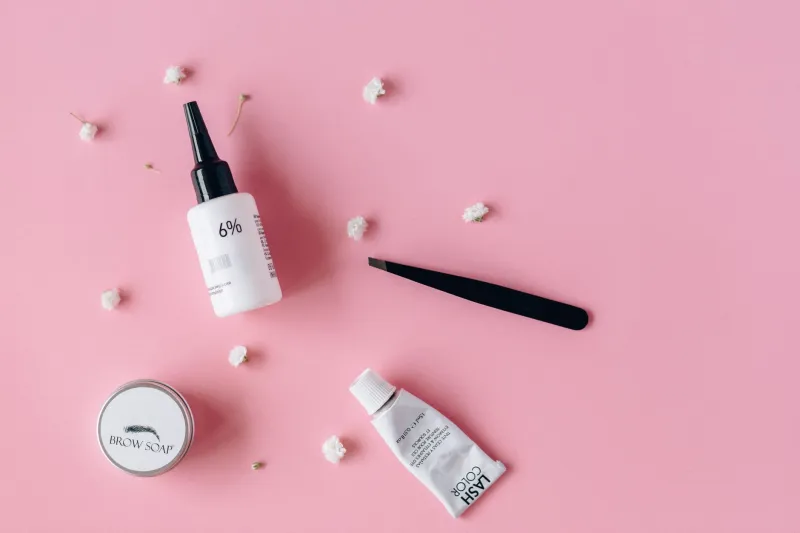
Let's set the scene. You're standing in the brow aisle at Ulta — which, by the way, is now its own aisle, a full corridor of real estate dedicated exclusively to the strip of hair above your eyeballs — and you're staring at a wall of products that appears to have been designed by someone who has never actually seen a human face. There's a brow pencil, a brow gel, a brow powder, a brow tint, a brow serum, a brow lamination kit, a brow pomade, a brow highlighter, and something called a "brow sculpting soap" that costs $34 and is, functionally, soap.
You came in for one thing. You are leaving with a cart and an existential crisis.
Welcome to the Eyebrow Pencil Industrial Complex, where the markup is high, the shade range is extensive, and nobody can explain why we need a separate product for every millimeter of our brow bone.
How Did We Get Here, Architecturally Speaking
For most of human history, eyebrows were just... there. They kept sweat out of your eyes. They helped you look surprised at birthday parties. They did their job without requiring a 12-step system.
Then, somewhere in the mid-2010s, the beauty industry collectively decided that eyebrows were a canvas, a statement, a lifestyle, and frankly a revenue opportunity that had been sitting on everyone's faces, completely untapped, for centuries. The "Instagram brow" arrived — bold, structured, filled in with military precision — and suddenly the idea that you might walk out of the house with your natural, God-given, slightly asymmetrical eyebrows was treated like a public health concern.
By 2018, the global eyebrow products market was worth billions. By 2023, it had grown further. And the product categories had multiplied like something you'd study in a biology class.
"I've watched the brow category go from pencil and powder to, I want to say, at least eight distinct product types in about a decade," says one freelance makeup artist who has worked on editorial shoots in New York and asked to remain anonymous because, in her words, "I still have to work with these brands." "Most of them do essentially the same thing with different textures. The marketing is doing a lot of heavy lifting."
The Lineup, Investigated
In the interest of journalism — and also because someone had to do it — we catalogued the current brow product landscape. Here is what the market expects you to own:
The Brow Pencil: The original. Fine. Useful. Has existed for decades without incident.
The Brow Gel: Allegedly keeps your brows in place. You could also use a clean mascara wand and literally nothing else. But sure.
The Brow Pomade: Like the pencil but in a pot, for people who enjoy an extra step and a small spatula.
The Brow Powder: For "a softer look," per every product description ever written. Eyeshadow from your existing palette would like a word.
The Brow Tint: Temporary dye for your brows. Lasts a few days. Stains your fingertips for slightly longer.
The Brow Serum: Promises growth. Delivers hope. Results vary wildly and are almost impossible to verify because your brows were probably growing anyway.
The Brow Lamination Kit: A chemical treatment you're now doing at home that salons were charging $100 for two years ago. Progress, technically.
The Brow Highlighter: Goes under the brow bone. Is a highlighter. Which you already own.
The Brow Sculpting Soap: Wax-adjacent. Creates the fluffy, brushed-up look. Is, again, essentially soap.
Total estimated cost if you bought one of everything from a mid-range brand: approximately $180. Total number of these products that are genuinely irreplaceable: our makeup artist sources suggest two, maybe three, depending on your brow situation.
The Psychology of the Filled-In Brow
Here's the thing the industry understood before most of us did: eyebrows are incredibly emotionally loaded. They're the primary vehicle for human expression. We read anger, skepticism, joy, and confusion through brow position. This means that the idea of having the wrong brows — too thin, too sparse, too light, too asymmetrical — hits differently than, say, having the wrong blush color.
Brow anxiety is real, and the product industry did not invent it so much as it found it and built a distribution network around it.
"Brows frame your whole face," says another makeup professional, this one willing to be quoted by first name only: Jamie, based in Los Angeles, 12 years in the industry. "But 'framing your face' doesn't require seven products. It requires knowing what shape works for you and having one or two tools to get there. The rest is noise."
Jamie's personal brow kit, for reference: a tinted brow gel and a spoolie. Combined retail value: under $20. Her clients' brows look, by all accounts, completely normal and good.
The Shade Range Rabbit Hole
If the product category proliferation wasn't enough, let's talk about shades. A single brow pencil from a major brand might come in 12 to 20 shades. This sounds generous. This sounds inclusive. And to some extent, expanded shade ranges are genuinely important for serving diverse hair colors and skin tones.
But 20 shades of brow pencil also means 20 opportunities to buy the wrong one, panic about it, and go back for another. The conventional wisdom — "go one shade lighter than your hair for a natural look, one shade darker for definition" — means that for most people, the correct shade is somewhere in a two-product window. The remaining 18 shades are, charitably, for edge cases. Less charitably, they exist because shelf presence sells product and a wider display signals authority.
"If a brand has 20 shades, it looks like they've thought about this really hard," notes Jamie. "Whether they have is a separate question."
What Actually Matters (A Shorter List Than You'd Hope)
After talking to multiple professionals and staring at a truly unreasonable number of brow products in the name of research, here's what the people who do this for a living actually agree on:
- Shape matters more than product. A well-shaped brow with one product will always look better than a poorly shaped brow with seven.
- Texture is a legitimate preference. Some people genuinely prefer a pencil's precision. Others like gel. This is a real distinction and the only one worth caring about.
- Color matching is the one place to take your time. Getting this wrong is the most visually obvious mistake.
- Everything else is optional. The serum, the soap, the lamination kit — all optional. None of them are load-bearing.
The Bottom Line on Your Bottom Brow Dollar
The brow category is a masterclass in taking something simple and adding complexity until the simplicity feels naive. Your face has had eyebrows on it your entire life. They have, presumably, been functioning. The idea that they now require a dedicated multi-step routine with a budget to match is a marketing achievement so impressive it almost deserves respect.
Almost.
Spend $15 on a good brow pencil or tinted gel in the right shade. Get a spoolie. Brush up, fill in, go live your life. The other 44 products will still be there if you change your mind.
They're not going anywhere. The industry will make sure of that.

